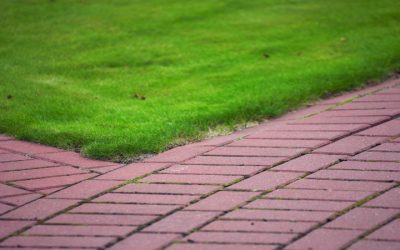
When an older paver surface begins to look uneven or tired, replacement is not always the only answer. Restoration can address several visible and functional issues while keeping the existing hardscape when its underlying condition is sound. For homeowners considering paver restoration in Bonita Springs, FL, the project should begin with an honest assessment of what can be restored and what needs more extensive work.
Inspect the surface from several angles. Look for sun-faded areas, staining, weeds, loose or shifted pavers, worn joints, and drainage patterns. A surface may have one isolated cosmetic issue or a combination of problems. Understanding the full condition prevents a homeowner from choosing a treatment that improves appearance while leaving a more important problem unresolved.
Cleaning can reveal the true condition of the pavers. Dirt and organic material can make a surface look worse than it is, while cleaning may also expose damaged or uneven areas that need attention. Preparation should be appropriate for the paver type and should protect nearby landscaping and property finishes.
Joint material deserves particular attention. Joints help keep individual units positioned correctly, and deterioration can make weeds or movement more likely. The restoration process may include removing compromised material and replenishing joints where appropriate. The exact method depends on the installation and the condition found during assessment.
Color and finish can then be addressed. Sealing may be part of the restoration plan, but it should be selected for the surface and the desired appearance. Homeowners should understand whether a product creates a natural look, changes color depth, or adds sheen, and what care will be required after application.
South West Pavers, LLC can help property owners consider whether restoration is a sensible alternative to replacing an existing paver area. The goal is not to make every old surface look brand new through one treatment. It is to address the right combination of cleaning, repairs, joint care, and finishing so the hardscape is better suited to continued use.
Frequently Asked Questions
Q: When is paver restoration better than replacement?
A: Restoration can make sense when the underlying installation is sound but the surface has cosmetic wear, joint deterioration, staining, or limited areas needing repair.
Q: Can shifted pavers be restored?
A: They may be repairable, but the cause of movement should be assessed so the correction addresses more than the visible symptom.
Q: Is sealing part of every restoration project?
A: Not necessarily. The appropriate finishing step depends on the paver material, condition, desired appearance, and maintenance plan.